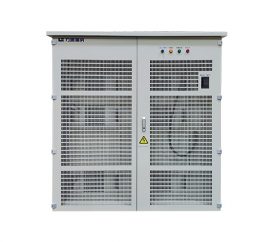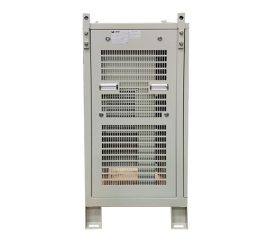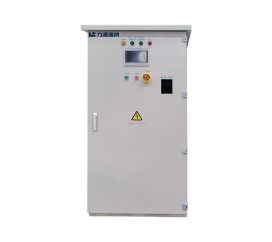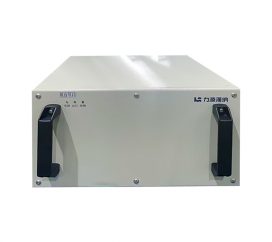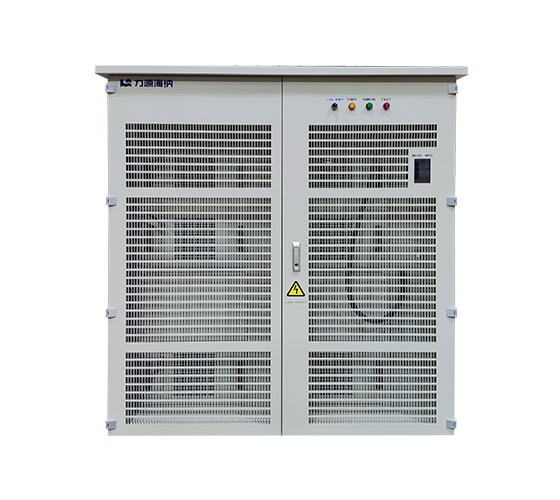
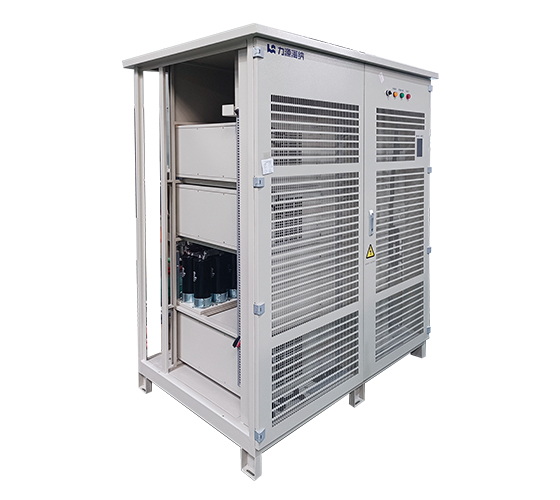
Input parameters: Three-phase, AC380V±10% ,50HZ
Output parameters: DC 0~400V 0~500A
Cooling method: Air cooling
Power supply type: Synchronous rectifier power source
Application Industry: Non-ferrous metal electrolysis, such as copper, zinc and aluminum electrolytic.
The Electrophoretic Rectifier and Plating Rectifier Equipment series are extensively utilized for a wide range of surface treatment applications, delivering precision, efficiency, and reliability. These rectifiers are particularly well-suited for processes such as PCB electroplating, hard chrome coating, and plating with metals like copper, nickel, zinc, gold, and silver. The Rectifier ensures consistent and high-quality results in these applications by providing stable voltage and current control, which is essential for achieving uniform coating thickness and enhanced surface properties.
The Electrophoretic Rectifier and Plating Rectifier Equipment series are extensively utilized for a wide range of surface treatment applications, delivering precision, efficiency, and reliability. These rectifiers are particularly well-suited for processes such as PCB electroplating, hard chrome coating, and plating with metals like copper, nickel, zinc, gold, and silver. The Rectifier ensures consistent and high-quality results in these applications by providing stable voltage and current control, which is essential for achieving uniform coating thickness and enhanced surface properties.
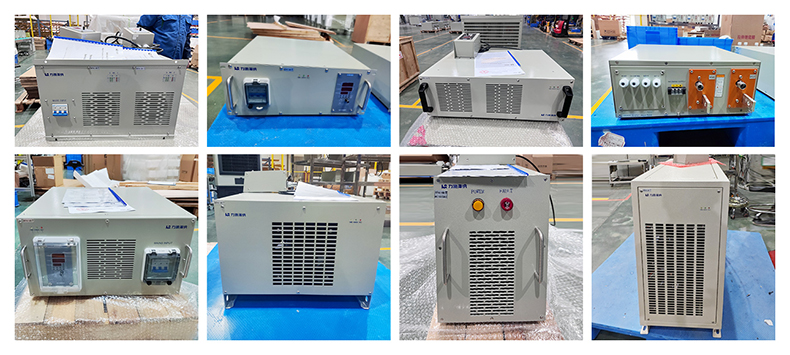
1)Field application diagram:
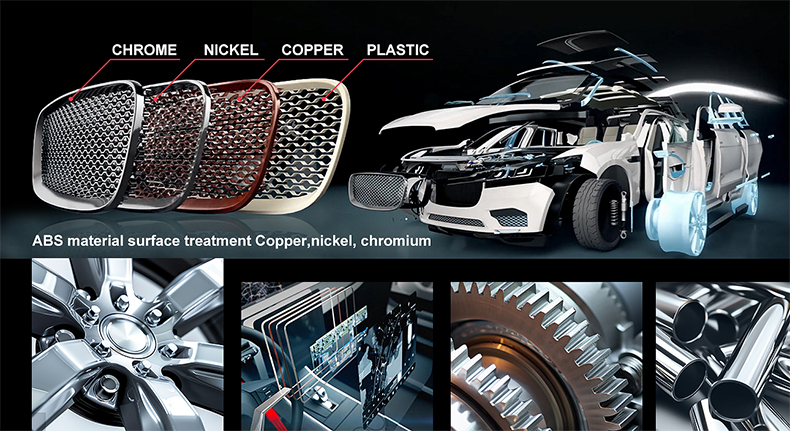
2)Industry application examples:
Select thyristors with low on-state threshold voltage: thereby reducing power consumption and improving rectification efficiency. Analysis of rectifier cabinet losses reveals that thyristor losses constitute a significant proportion of the total cabinet losses, with the on-state threshold voltage exerting a notable impact on device losses. It is recommended to select thyristor models with a low on-state threshold voltage and stable, reliable performance.Regarding the parallel design of rectifier bridge arms, inherent variations in thyristor characteristics result in discrepancies in the on-state threshold voltages of individual components. This leads to uneven current distribution among parallel branches. To mitigate this, the number of parallel components should be minimized while ensuring current-carrying requirements are met.
The more parallel elements, the greater the conductive imbalance. Therefore, try to select thyristors with large forward average current, reduce the number of parallel elements in the rectifier bridge arm, and improve the current sharing coefficient of the rectifier bridge arm.
Use current-sharing reactors for forced current sharing: Between the two thyristors in the same bridge arm, a low-power current-sharing reactor developed by our company is added for forced current sharing. The current-sharing coefficient is as high as 0.96 or above (when the current-sharing reactor is not used, the current-sharing coefficient is 0.85~0.88), which improves the rectification efficiency.
Non-ferrous metal electrolysis, such as copper, zinc and aluminum electrolytic.
The electrophoretic rectifier serves as the operational backbone of modern surface treatment systems, delivering voltage regulation within ±0.5% tolerance and current stability below 1% ripple. This precision enables uniform metal deposition critical for functional coatings – automotive electroplating achieves 8-12μm chromium layers with 1,200 HV hardness, while PCB copper plating maintains ±0.8μm thickness consistency across 24-hour production cycles.
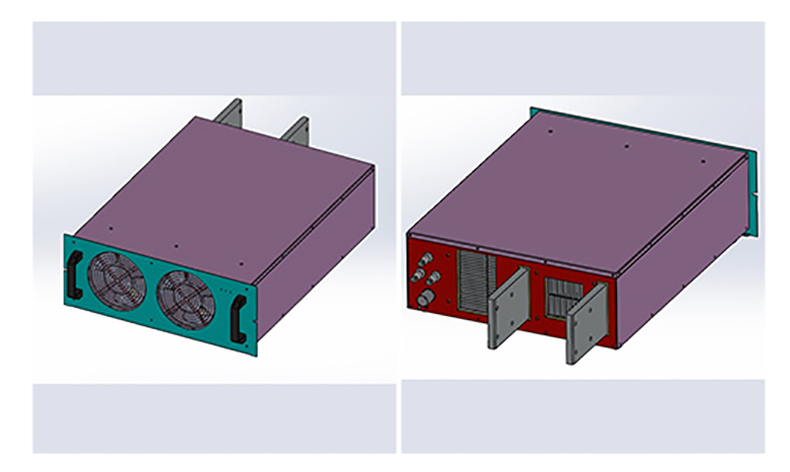
Air Cooling:Heat dissipation fan + air duct + comb heat sin
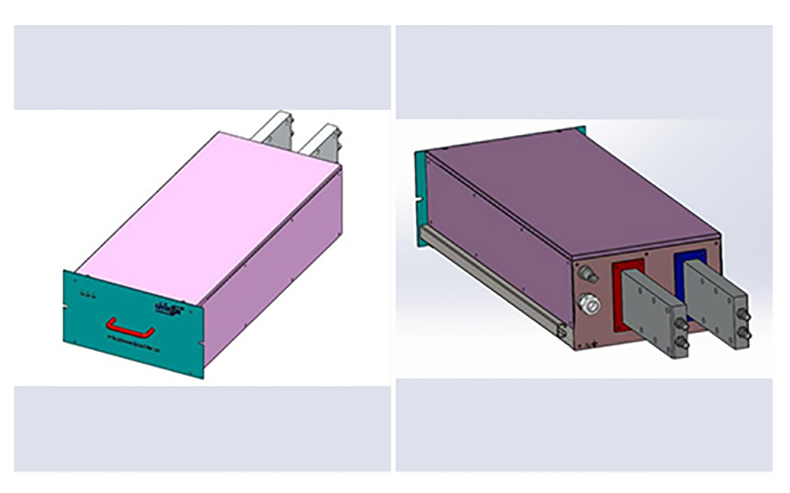
Water Cooling:Built-in water circulation line
By Current Regulation Technology
Application-Specific Configurations
Performance Benchmarks
Industry Implementation
Structural Rationale: Maintains technical hierarchy while embedding operational parameters and industry-specific validation metrics.
| Type of characteristics | Parameters | Technical Requirements |
| Input characteristics | Rated input voltage | Three-phase AC380V±10% 50Hz Complies with National Power Quality Standards |
| Rated input current | AC 340 A | |
| Rated input power | 224 KVA | |
| Rated input power Ffactor | COSΦ≥0.95 | |
| Output characteristics | Output voltage | DC 0~400V adjustment |
| Output current | DC 0~500A adjustment | |
| Precision of steady current | ≤1% | |
| Precision of stable voltage | ≤1% | |
| Displayed precision | 1A,1V | |
| Rated output power | ≥ 91% | |
| Insulation characteristic | Insulation resistance | Input – Output: ≥5MΩ |
| Input – Cabinet: ≥5MΩ | ||
| Output – Cabinet: ≥5MΩ | ||
| Protective characteristics | With self-protection function under non-normal cases such as over-voltage, over-current, overload, short circuit and overheating | |
| Other characteristics | Noise | ≤75dB |
| Running state | Continuous full load run of product | |
| Load level | Level II | |
| Insulation grade of the transformer | Grade B | |
| Weight | 770 kg | |
If you need other electrophoretic rectifiers, we can custom design them according to customer requirements. Please contact us.
Looking for a high frequency 500A 400V electrophoretic rectifier? Liyuan Haina Rectifier, a professional manufacturer with 27+ years specializing in industrial rectifiers, supplies global clients including the United States, Canada, Britain, Italy, Spain, South Africa, Russia, the UAE, Japan, South Korea, Malaysia, etc. Our advanced factory delivers cost-effective Made-in-China solutions, with competitive prices and customizable options. Contact us for sales inquiries.
Hot Tags: High Frequency 500A 400V Electrophoretic Rectifier, DC Power Supply, surface treatment, sale, manufacturers, igbt plating rectifier, price, China
Liyuan Haina Rectifier, the professional manufacturer in IGBT and SCR rectifier, committed to providing you with quality solutions and products.
Get more details? We’ll response as soon as possible (within 12 hours).
Liyuan Haina Rectifier, the professional manufacturer in IGBT and SCR rectifier, committed to providing you with quality solutions and products.
Get more details? We’ll response as soon as possible (within 12 hours).