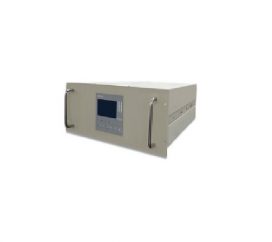
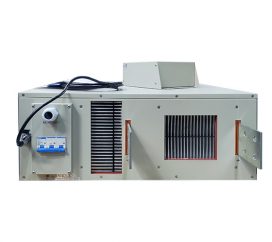
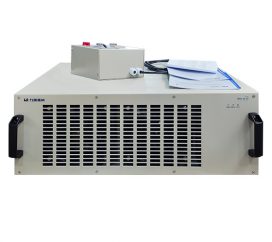
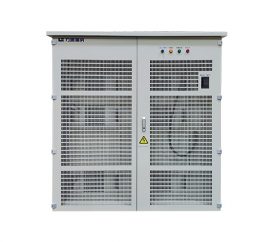
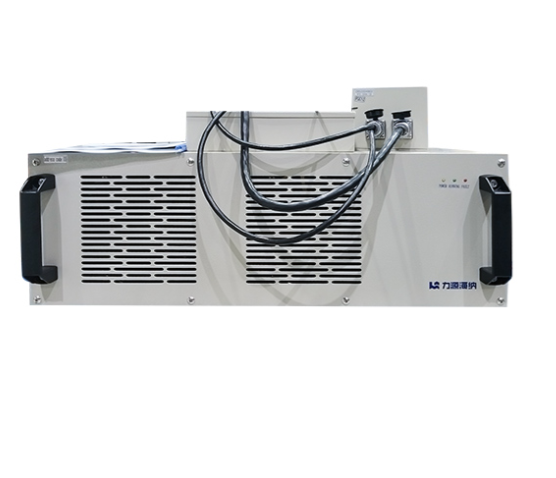
Selecting the right IGBT rectifier for a 1000A chrome plating tank is one of the most critical decisions in setting up or upgrading a surface treatment line. The rectifier is the heart of your electroplating system—it converts AC power into precisely controlled DC output, directly determining plating quality, energy efficiency, and operational reliability. For hard chrome and decorative chrome applications at the 1000A level, an IGBT switch-mode rectifier offers significant advantages over traditional SCR technology, including higher efficiency, smaller footprint, and superior output stability.
https://www.lyrectifier.com/pro_cat/plating-rectifier
The first step in selecting a 1000A IGBT rectifier is determining the correct output voltage range. Chrome plating typically operates at relatively low voltages compared to other plating processes, but the exact requirement depends on your specific application:
| Chrome Plating Type | Typical Voltage Range | Recommended Rectifier Voltage |
|---|---|---|
| Decorative Chrome | 4–8 V | 8–12 V (adjustable) |
| Hard Chrome (Industrial) | 8–12 V | 12–15 V (adjustable) |
| High-throw or large-gap setups | Up to 15 V | 15–18 V (adjustable) |
For a 1000A chrome plating tank, a 12V or 15V maximum output is typically the sweet spot. This provides sufficient headroom for hard chrome applications while maintaining low ripple and high efficiency during normal decorative chrome operations.
Chrome plating demands the lowest ripple of any common plating process. While nickel plating can tolerate up to 10% ripple, chrome plating—especially hexavalent chrome—requires ripple below 5%, with premium applications demanding <2%.
IGBT rectifiers inherently produce smoother DC output than SCR rectifiers due to high-frequency switching (typically 20–30 kHz) and advanced filtering. When comparing units, verify the manufacturer's stated ripple factor at full load. High-quality 1000A IGBT rectifiers for chrome plating should achieve <2–3% ripple without external chokes or capacitors.
At 1000A output, heat dissipation is a major consideration. IGBT rectifiers for this capacity typically offer two cooling options:
| Cooling Type | Best For | Advantages | Considerations |
|---|---|---|---|
| Air Cooling | Clean, ventilated shops; moderate climates | Lower maintenance, no water plumbing, easier installation | Requires adequate airflow; higher ambient noise |
| Water Cooling | High-temperature environments; continuous heavy loads | Superior heat removal, quieter operation, compact size | Requires clean water supply; risk of leaks; periodic maintenance |
For a 1000A chrome plating rectifier, water cooling is often preferred in industrial settings because:
However, if your facility lacks reliable cooling water or operates in a moderate climate with good ventilation, a forced air-cooled unit can perform reliably. Verify the manufacturer's ambient temperature ratings—quality units operate from -20°C to +40°C.
One of the primary reasons to choose IGBT over SCR technology is energy efficiency. When comparing 1000A rectifiers:
Efficiency: Premium IGBT rectifiers achieve ≥90–94% efficiency at rated output. This is particularly important at low DC voltages (common in chrome plating), where SCR rectifiers suffer significant efficiency losses.
Power Factor: Look for power factor ≥0.93–0.95. A high power factor reduces your electricity bill, minimizes strain on facility transformers, and helps avoid utility penalties for poor power quality.
Energy Savings Context: IGBT switch-mode rectifiers typically save 5% compared to conventional switch-mode units and 15–25% compared to older thyristor (SCR) rectifiers. For a 1000A tank running continuous production, this translates to thousands of dollars in annual electricity savings.
Before purchasing, verify your facility's electrical infrastructure:
Voltage: Most industrial 1000A IGBT rectifiers require three-phase input at 380V, 400V, 415V, or 480V (±10%), 50/60Hz. Three-phase input is strongly preferred over single-phase for chrome plating because it inherently produces smoother DC with lower ripple.
Current Draw: A 1000A/12V rectifier at 94% efficiency draws approximately 72–75A AC input at 380V three-phase. Ensure your supply panel and cabling can handle this load.
Power Quality: If your facility has voltage fluctuation issues, specify a rectifier with a wider input voltage tolerance (e.g., ±15% instead of ±10%).
Choosing an IGBT rectifier for a 1000A chrome plating tank requires balancing electrical specifications, thermal management, control features, and long-term reliability. By focusing on appropriate voltage sizing (12–15V), ultra-low ripple (<3%), high efficiency (≥90%), and robust protection systems, you ensure consistent chrome deposit quality while minimizing operating costs. IGBT technology's inherent advantages—compact size, high power factor, and precise digital control—make it the superior choice for modern chrome plating operations compared to legacy SCR rectifiers.
Looking for a 1000A IGBT rectifier tailored to your chrome plating line? Contact our engineering team for a customized power supply solution designed to your exact tank specifications and production requirements.

This customer, headquartered in Vietnam, is a core supplier of…
Jakarta, Indonesia — Liyuan Haina Rectifier in industrial DC power…
Liyuan Haina Rectifier, the professional manufacturer in IGBT and SCR rectifier, committed to providing you with quality solutions and products.
Get more details? We’ll response as soon as possible (within 12 hours).
Liyuan Haina Rectifier, the professional manufacturer in IGBT and SCR rectifier, committed to providing you with quality solutions and products.
Get more details? We’ll response as soon as possible (within 12 hours).